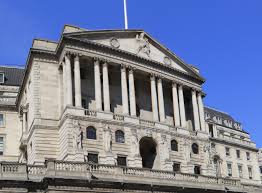
The Bank of England’s decision to lower capital requirements has sparked a debate about corporate responsibility. By reducing the safety cushion banks must hold, the regulator is effectively freeing up billions of pounds. The stated goal is to spur lending to households and businesses, but critics note that there are no binding rules forcing banks to use the money this way.
This lack of explicit conditions means that bank executives have a choice. They can increase lending, as the government and the Bank of England hope, or they can use the surplus capital to pay dividends to shareholders and buy back stock. Governor Andrew Bailey acknowledged this reality, stating, “Obviously it’s not for us to dictate to banks how they run their business.”
However, Bailey did apply moral suasion, arguing that banks would benefit more in the long run by strengthening the economy. “If the banks support the economy by lending… banks will actually benefit from that in performance and return,” he noted. This comment serves as a subtle warning to the sector, which has already narrowly escaped tax hikes in the recent budget.
The tension is heightened by the Chancellor’s involvement. Rachel Reeves has championed the review as a way to boost “competitiveness,” implying that UK banks need to be unshackled to help the country grow. If banks choose to funnel the released capital to investors rather than the “real economy,” it could backfire politically, potentially inviting the very “red tape” the government says it wants to cut.
This deregulation is a gamble. It relies on the assumption that the banking sector, now deemed safe and resilient by stress tests, will act in the national interest. With risks from AI bubbles and private credit looming, the Bank is betting that unleashed capital will be a driver of stability and growth, rather than a quick payday for investors.