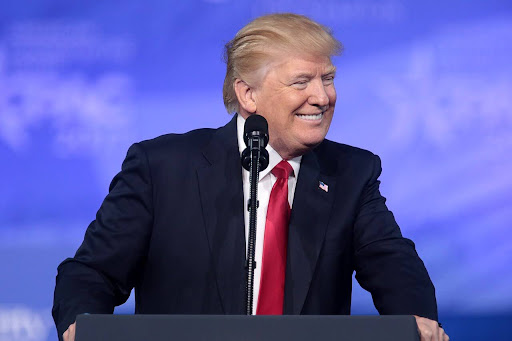
British Prime Minister Keir Starmer convened an emergency Cobra meeting Monday with top cabinet ministers and Bank of England Governor Andrew Bailey as the economic fallout from the Iran crisis continued to roil global markets. The gathering came hours after President Donald Trump announced a five-day delay in planned US strikes against Iranian energy infrastructure, a development that produced dramatic swings across equity, currency, and commodity markets. The meeting focused on energy security, supply chain resilience, and Britain’s economic preparedness for continued volatility.
The crisis stems from Iran’s effective blockade of the Strait of Hormuz, through which approximately one-fifth of global oil and liquefied natural gas supplies flow. This disruption has created an energy shock that International Energy Agency head Fatih Birol has compared to the combined impact of the 1970s petroleum crises and the market turmoil from Russia’s invasion of Ukraine. Oil prices reached $119.50 per barrel earlier this month before Trump’s announcement prompted a sharp reversal. The president’s weekend ultimatum demanding Iran reopen the strait within 48 hours had significantly elevated tensions before diplomatic progress materialized.
Financial markets experienced extreme volatility before settling into a more optimistic pattern. The FTSE 100 fell nearly 1.5% in early trading before recovering, though it ultimately closed down 0.2%. Continental European indices fared better, with Germany’s Dax rising 1.2%, Spain’s Ibex gaining 1%, and France’s Cac 40 advancing 0.8%. American markets were trading more than 1% higher by midday. UK government bond yields improved slightly, with the 10-year rate falling to 4.95% from the 5% level reached last week for the first time since the 2008 financial crisis.
Energy prices retreated sharply following Trump’s announcement. Brent crude oil fell 10% to $101 per barrel, while UK natural gas futures dropped 6% to 142 pence per therm. Shares in oil majors BP and Shell declined more than 3% as traders reduced positions built on expectations of elevated prices. Gold also weakened, sliding 2.5% to $4,388 per ounce as improved risk sentiment reduced demand for safe-haven assets. The US dollar fell 0.4% against major currencies as defensive positioning unwound.
The British government faces mounting pressure to announce support measures for households confronting significantly higher energy costs. Current price caps on gas and electricity are set to expire at the end of June, with bills expected to rise approximately 20%. Iran has warned that any American military action would prompt devastating attacks on critical regional infrastructure, including essential water systems, ensuring that the diplomatic situation remains precarious. The coming days will determine whether the current pause in hostilities can translate into lasting progress toward resolution.