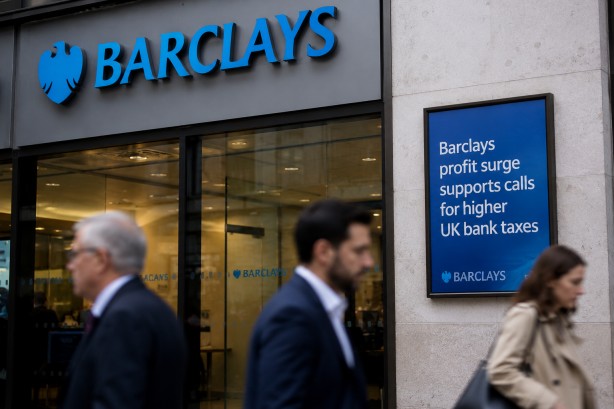
Barclays has announced impressive financial results, sparking renewed discussions about the potential for increased taxation on major banks by the UK government. The bank reported a 31% increase in its second-quarter pre-tax profit, reaching £3.3 billion. This growth contributed to a first-half profit of £6.1 billion, representing a 17% rise compared to the previous year.
Alongside these strong financials, Barclays has significantly boosted its half-year bonus pool, which saw a near 30% increase, reaching £1.3 billion. Additionally, the bank revealed plans for £1 billion in share buybacks and declared £800 million in dividends for shareholders. These developments come amid heightened scrutiny from some quarters about the role of banks in addressing economic challenges.
In response to Barclays’ robust performance, the Trades Union Congress (TUC) has called on Prime Minister Andy Burnham’s administration to consider raising taxes on banks. The TUC argues that the notable profits indicate that lenders are in a position to contribute more significantly to alleviating the cost-of-living crisis affecting many households.
However, Barclays has defended its financial practices, noting that UK banks already contend with higher tax rates compared to many of their international counterparts. Bank executives have justified the increase in the bonus pool by pointing to the higher earnings, emphasizing the importance of a strong banking sector in fostering lending, investment, and overall economic growth.